 Sint-Truidense VV Hub
Sint-Truidense VV, known as De Kanaries, has experienced numerous highs and lows throughout its history. However, one of the most remarkable periods in the club's history was the late 1960s and early 1970s, a time when the foundations for future successes were laid. During this era, STVV began to forge its true identity, both on and off the field.
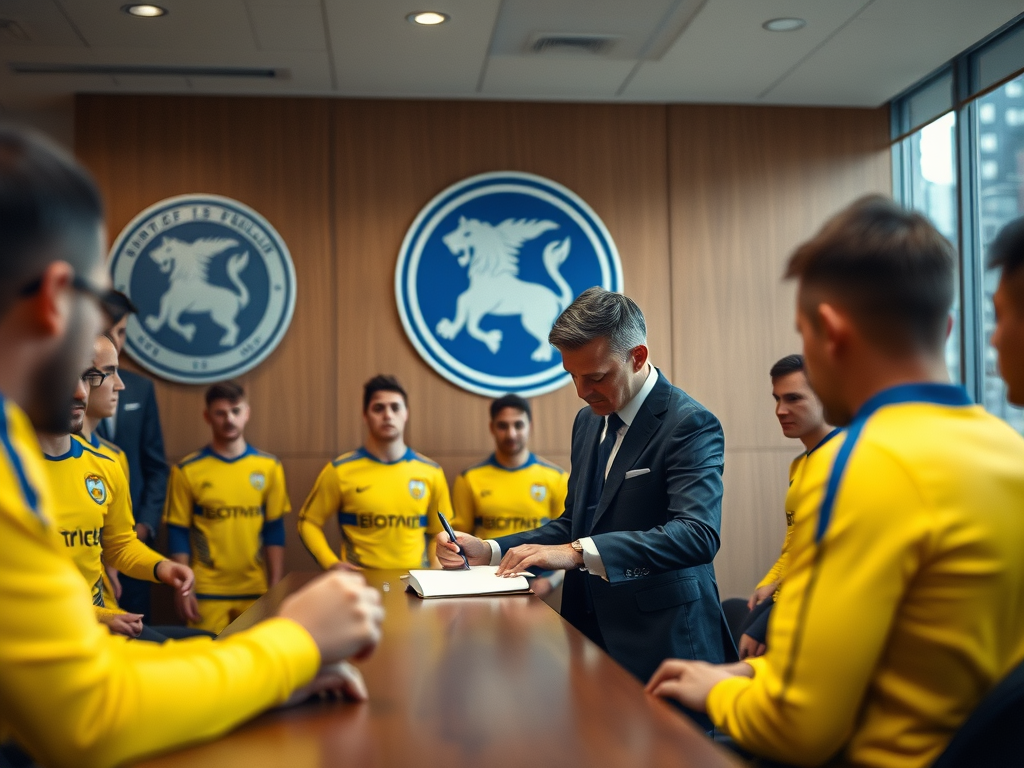
In 1968, Sint-Truidense VV was promoted to the highest division of Belgian football. It was a moment of triumph but also of transformation. The club, which had primarily played in lower divisions until then, had to adapt to the higher competition. This required not only adjustments in the player roster but also a shift in club culture and training approaches. It was a time of growth, where De Kanaries learned how to compete with the established giants of Belgian football.
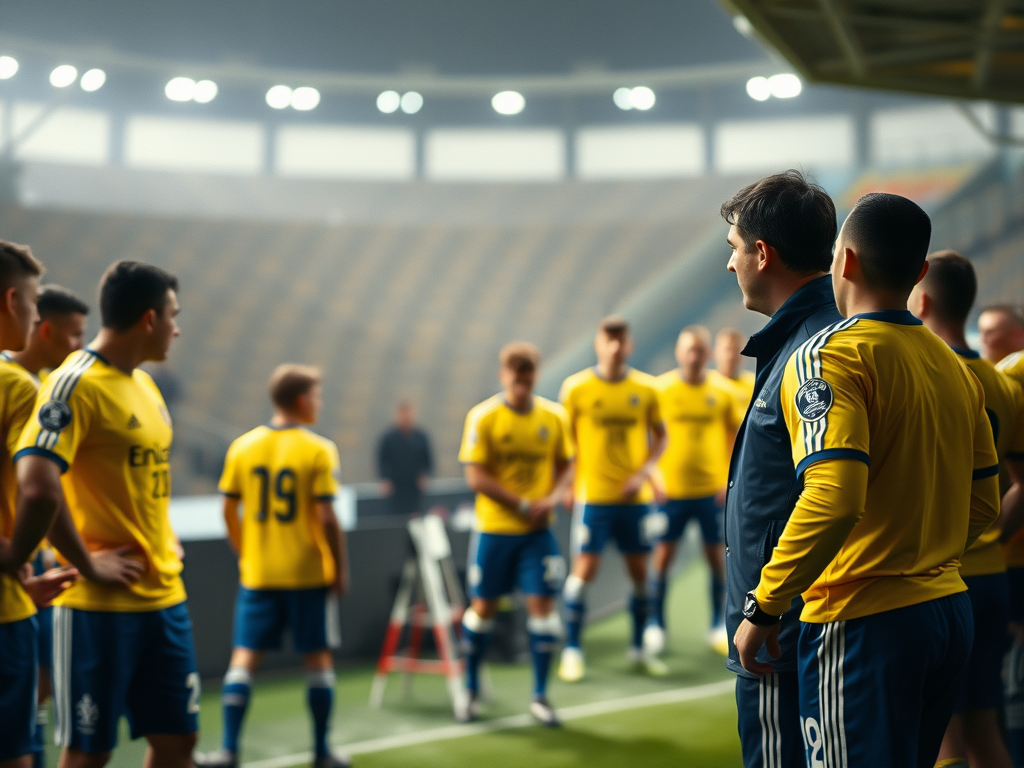
The arrival of key players, including influential forward Raymond Goethals, helped the club establish itself at the top of the competition. Under the guidance of coach Ludo Coeck, the team developed a playing style that was both attractive and effective. This resulted not only in securing their place in the top division but also in a growing number of fans who rallied behind the club.
Another crucial moment during this period was STVV's first appearance in the Belgian Cup final in 1970. It was an unforgettable experience for supporters and the club. Although the final ended in defeat, the performance showcased that Sint-Truidense VV was a serious contender in Belgian football. The club gained respect and recognition, further expanding its fanbase.
The 1970s also marked the development of the Stadium, the home of De Kanaries. Improvements to the stadium made it a true refuge for supporters, who turned out in droves to cheer on their team. This led to a strong bond between the club and its fans, which would only grow stronger in the years to come.
The success of Sint-Truidense VV in the years that followed can largely be attributed to the foundations laid during this period. The dedication of players, coaches, and especially the fans ensured that the club could continue to grow and thrive. De Kanaries have since become not just a football club but a symbol of pride for the city of Sint-Truiden.
In retrospect, we can conclude that the rise of Sint-Truidense VV in the late 1960s and early 1970s was a crucial phase in the club's history. It was a time of change, growth, and determination that paved the way for today's successes. De Kanaries remain a significant player in Belgian football, and the memories of this period are still vivid in the hearts of the supporters.